
Blog

How Dry Needling in Physical Therapy Boosts Muscle Flexibility and Speeds Return to Sport

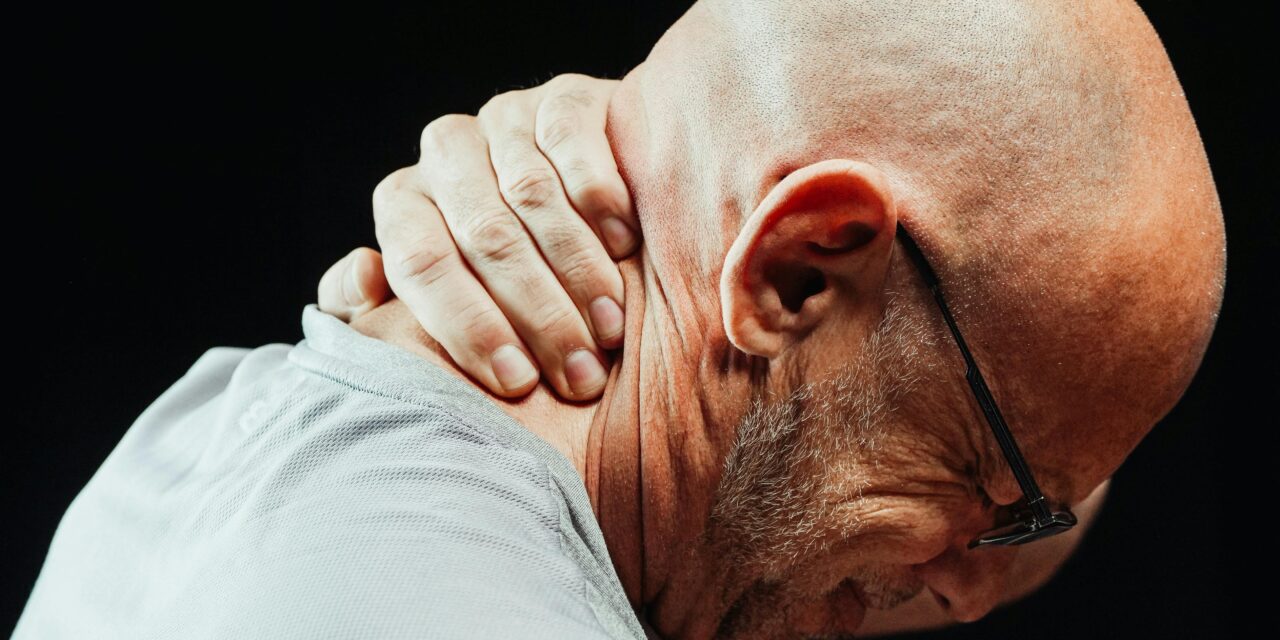
By: Maggie Gebhardt, PT, DPT, OCS, FAAOMPT For athletes eager to return to peak performance after injury, regaining muscle flexibility is a critical step—and dry needling is emerging as a highly effective tool in physical therapy to support that journey. At MEND Colorado, we integrate dry needling into personalized treatment plans to target tight muscles and myofascial trigger points...

CrossFit and Olympic Weightlifting: Why Sagittal Plane Dominance Can Increase Injury Risk (And How Multiplanar Training Improves Performance)

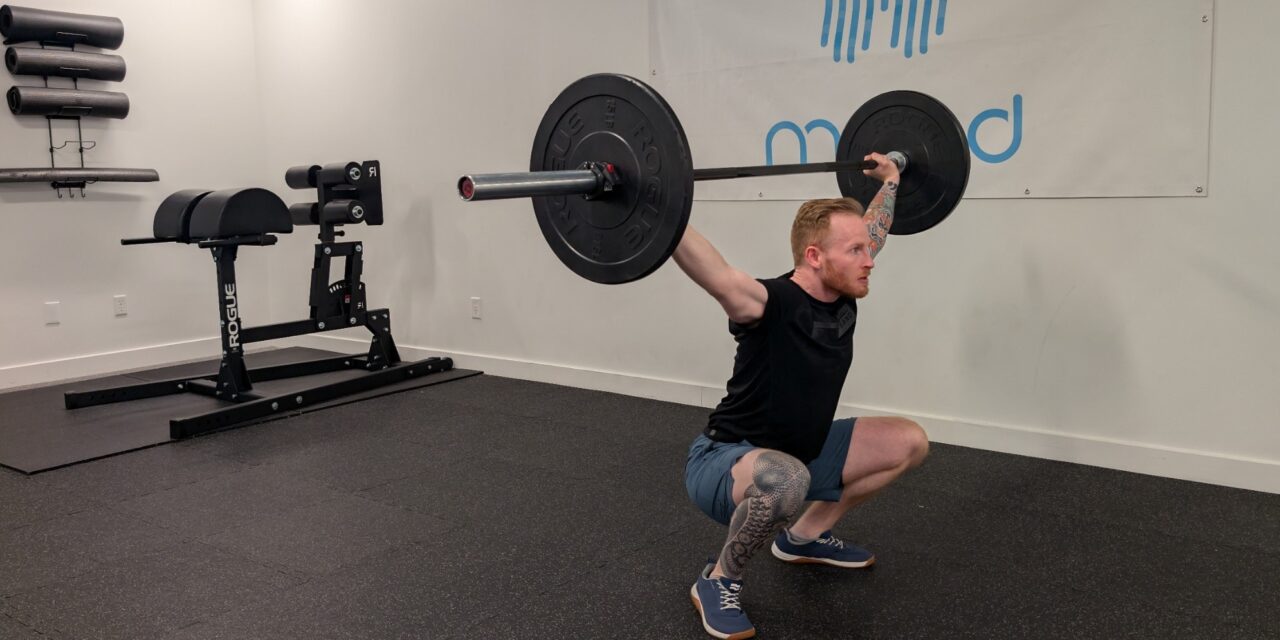
By: Ian Nay, PT, DPT, OCS CrossFit, Olympic weightlifting, and powerlifting are highly effective for developing strength, power output, and work capacity, but from a biomechanical perspective, these three training styles are heavily biased toward the sagittal plane of motion. The sagittal plane involves forward-and-backward or vertical movement patterns, which dominate foundational lifts such as...

Treating Knee Pain In Tennis Players

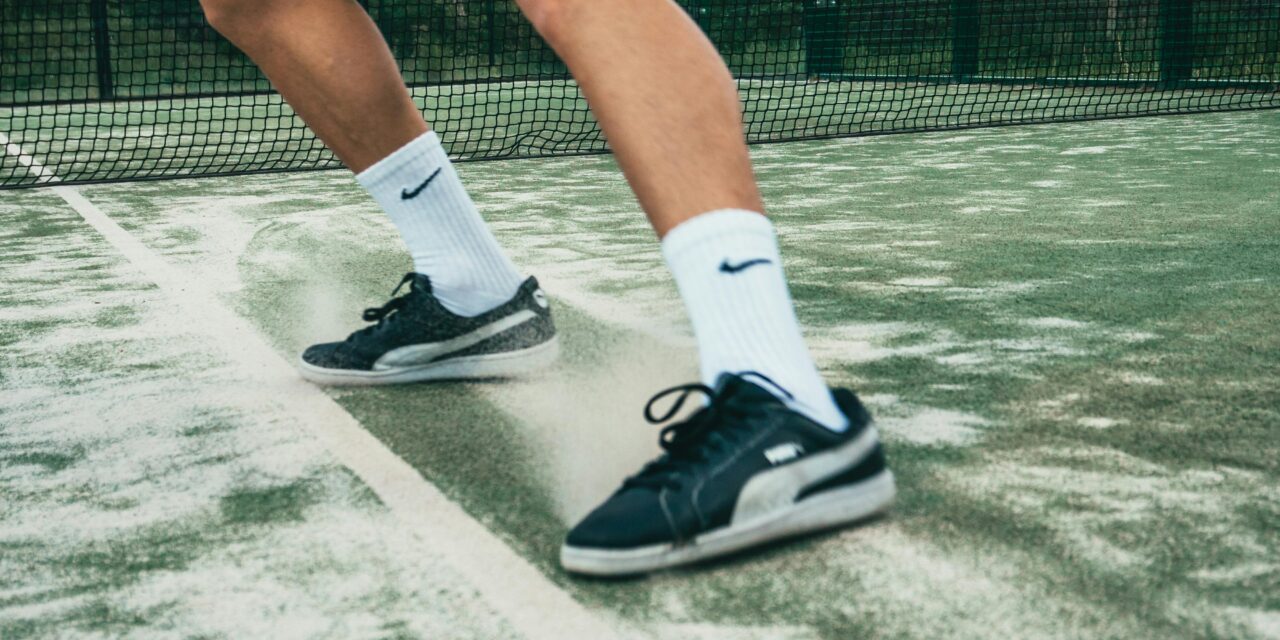
Knee pain is a common issue for tennis players because the sport involves repetitive stopping, starting, and lateral movements that place heavy loads on the tendons and joints of the knee. One frequently seen condition in tennis athletes is patellar tendinopathy (often called “jumper’s knee”), which stems from chronic tendon overload during high-impact actions like...

Getting Climbers Back To Their Sport After Shoulder Injury

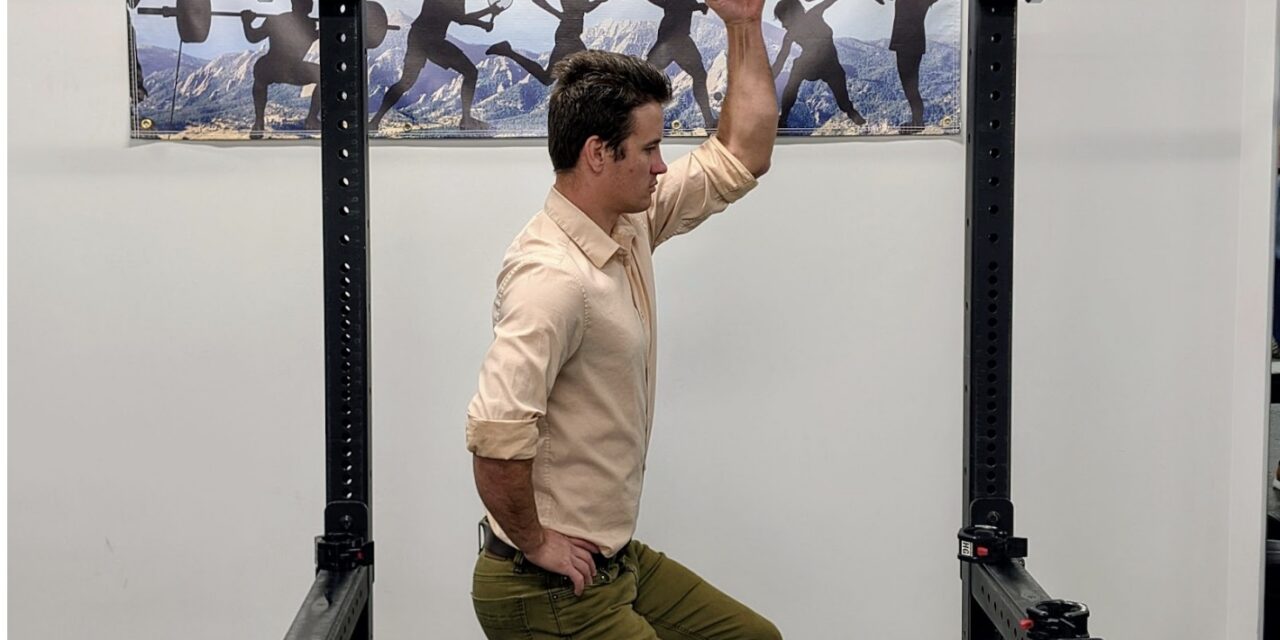
Shoulder pain is a very common issue for rock climbers, largely because climbing places high and repetitive demands on the shoulder’s muscles, tendons, and joint structures. The most frequent causes include rotator cuff problems (such as tendinopathy, strain, or tears), subacromial impingement, and biceps tendinopathy — injuries that arise from both acute sudden movements and chronic...

Treating Low Back Pain In Athletes

Low back pain is a frequent challenge for athletes who place high demands on their bodies, especially gymnasts, CrossFit athletes, golfers, climbers, and those involved in team sports. These athletes often combine heavy loading, explosive power, rotation, and end-range positions — all of which require the spine to transfer force efficiently. When mobility, strength, or...

A Better Approach To ACL Rehab: Progressing By Function, Not The Calendar

By: Lucas Glomb, PT, DPT, OCS High-quality ACL rehabilitation should be criterion-based, not time-based. Most people recovering from ACL surgery are told they’ll return to sport in 6–9 months. While healing timelines matter, time alone does not determine readiness. Two people at the same point on the calendar can have completely different strength, movement quality,...