Blog

Is My Pelvic Floor Too Tight to Give Birth?

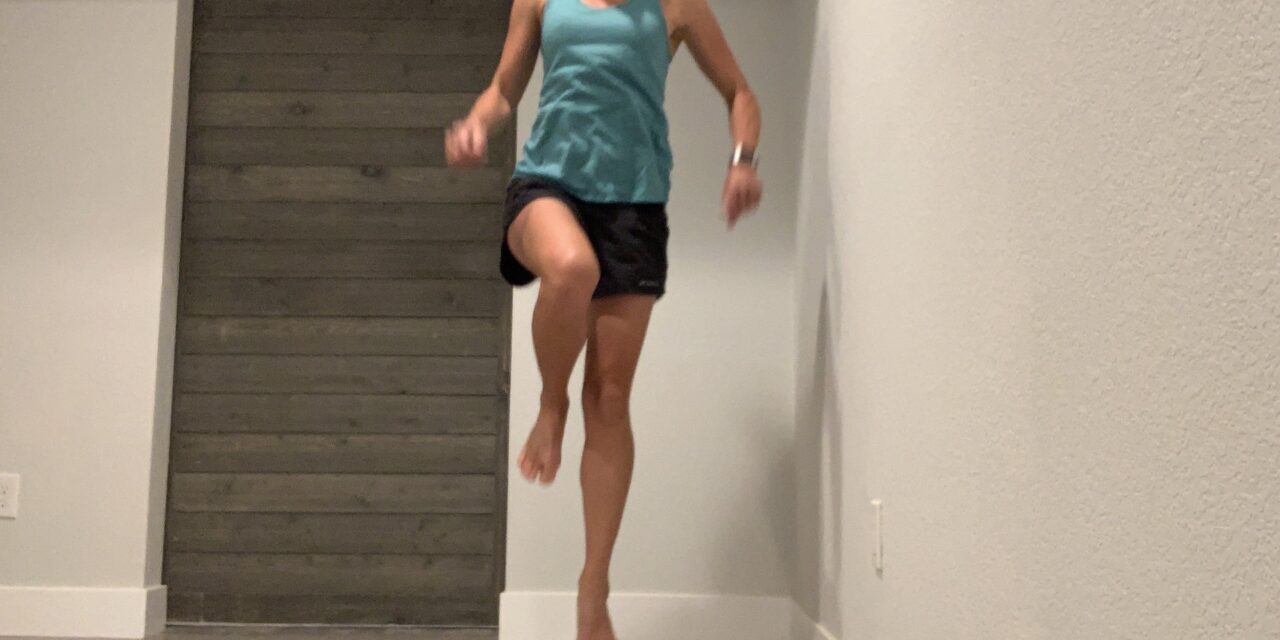
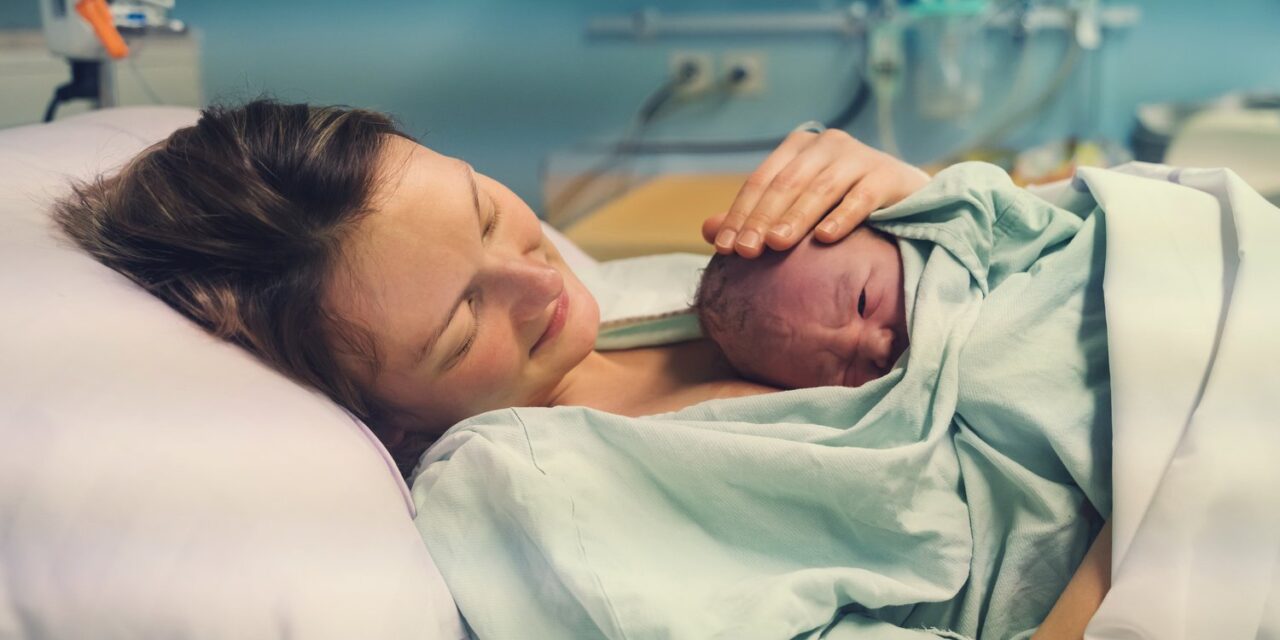
At Mend, we work with highly active women in Boulder County during pregnancy in our Boulder and Lafayette sports medicine and pelvic health physical therapy practice. This includes elite marathoners, CrossFit enthusiasts, triathletes, group fitness junkies and more. As pelvic health specialists we often hear concerns from these active women about “being too tight” in...
Getting More Out Of Your Workouts With Measuring Total Work

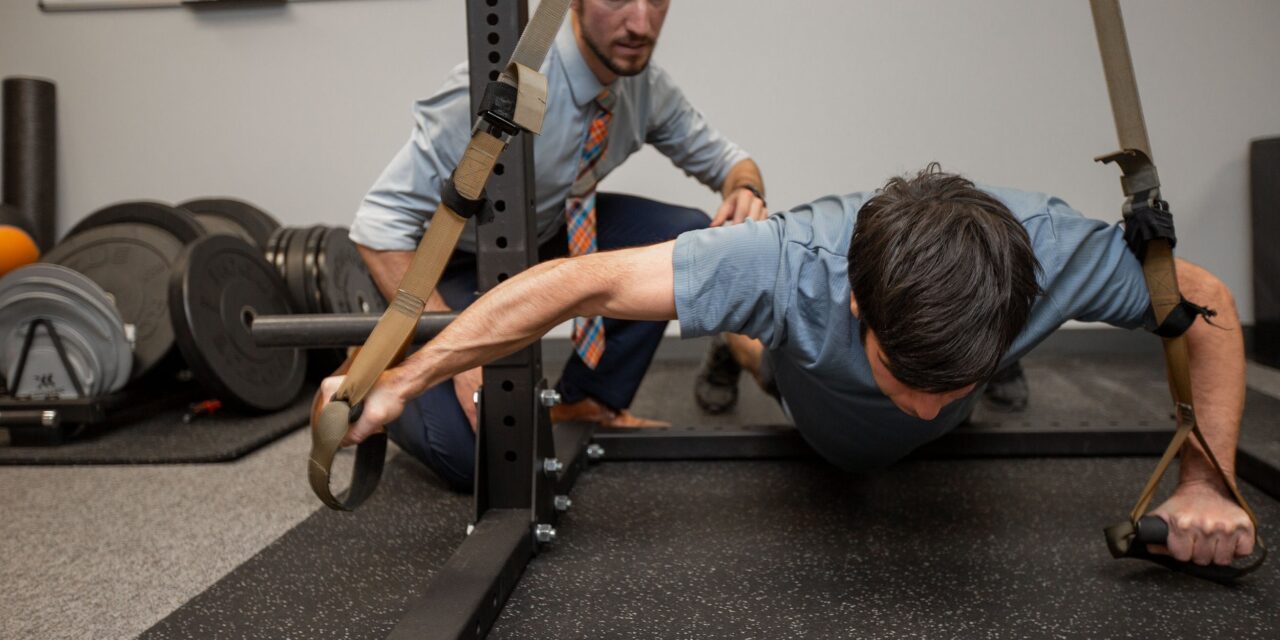
At a fundamental level, all forms of exercise are designed to improve the current state of the participant. In our Boulder Physical Therapy practice, we aim to effectively and efficiently prescribe exercise to meet each patient or client’s goals. A key element of any exercise program has to include progressively, increasing demands over time. Flexibility...

What Are the Best Subscapularis Exercises for Rock Climbers?

The subscapularis is the largest and strongest of the rotator cuff muscles. Its primary function is shoulder internal rotation and it plays a critical role in stabilizing the front aspect of the shoulder during climbing movements. The subscapularis is the least commonly injured muscle of the rotator cuff, but is still prone to pain and...

Many exercisers report weight control or weight loss as one of their main goals for performing a weekly exercise program. While exercise can produce a caloric deficit, especially when combined with a nutritional caloric deficit, our bodies have significant physiological mechanisms to avoid weight loss. For example, many participants will create a caloric deficit through...

Patellar tendinopathy, commonly known as “jumper’s knee,” is one of the most frequent chronic knee injuries in tennis and racquet sport athletes. The repetitive, high-impact nature of tennis—especially during sudden stops, lateral movements, and explosive jumps—places a lot of strain on the knees. This makes tennis players more susceptible to patellar tendinopathy.  Previously referred to...

Exercise and Prolapse: The Complete Guide

Pelvic organ prolapse (POP) is the descent or tissue laxity of the front (bladder), back (rectum), or top (cervical) aspect of the vaginal wall. With less support from connective tissue and muscles of the pelvis, the bladder, uterus, or rectum can press on the vaginal wall contributing to increased pelvic pressure or bulge sensation. The...

The core is a collective group of spinal musculature critical for range of motion of the spine, stabilization of our trunk, and transmission of forces through the body. Given these functions it is not a surprise to see literature supporting Physical Therapy exercise prescription in order to improve sports performance, as well as, low back...